Now open next door
Sleighport
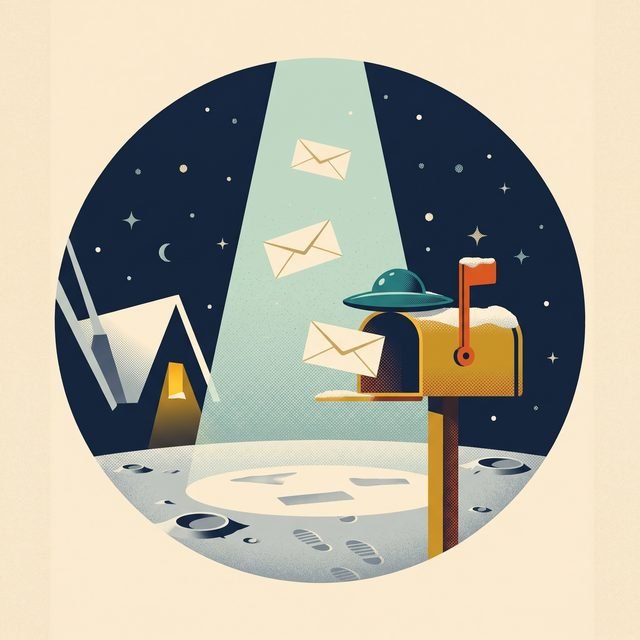
Santa's Space Cargo Depot. Write a letter, post it in the Gate 20 mailbox, and the UFO Express carries it to the North Pole.
HULL/20 Spaceways · Space Clipper service
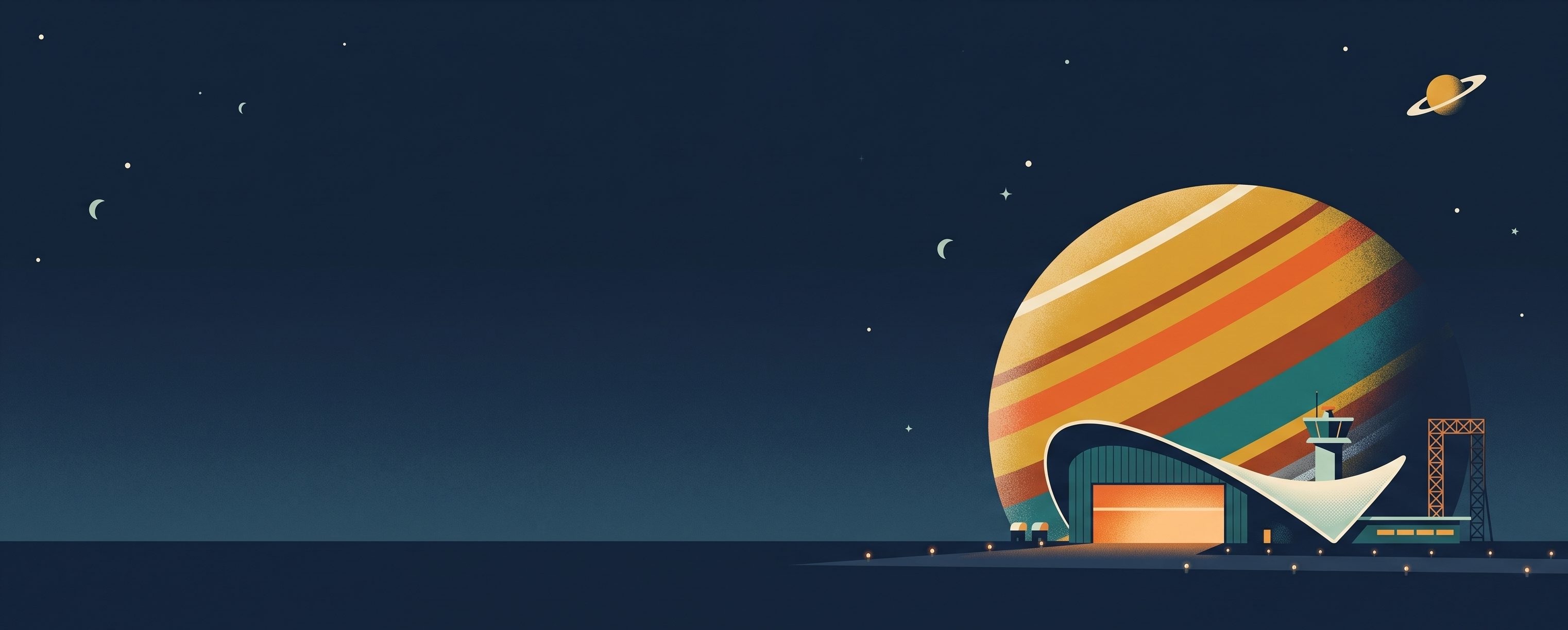
Introducing nightly departures from the HULL/20 Spaceport to the Moon, Mars, the rings of Saturn and points considerably beyond. Board at dusk. Recline past the Moon. Arrive refreshed, rehydrated and very far from home. Every seat a window seat.
Gravity not included. Towel essential.
Now open next door
Santa's Space Cargo Depot. Write a letter, post it in the Gate 20 mailbox, and the UFO Express carries it to the North Pole.
Departures
A Clipper leaves every twelve minutes from dusk until lights down at 23:00. Gates 1 through 12, and Gate 20 for one flight only.
Times are local to your own device. All flights fictional; all views real.
Delays are caused by meteor showers and, occasionally, the Captain's tea.
The HULL/20 story
Every great airline began somewhere modest. Ours began with a garage door.
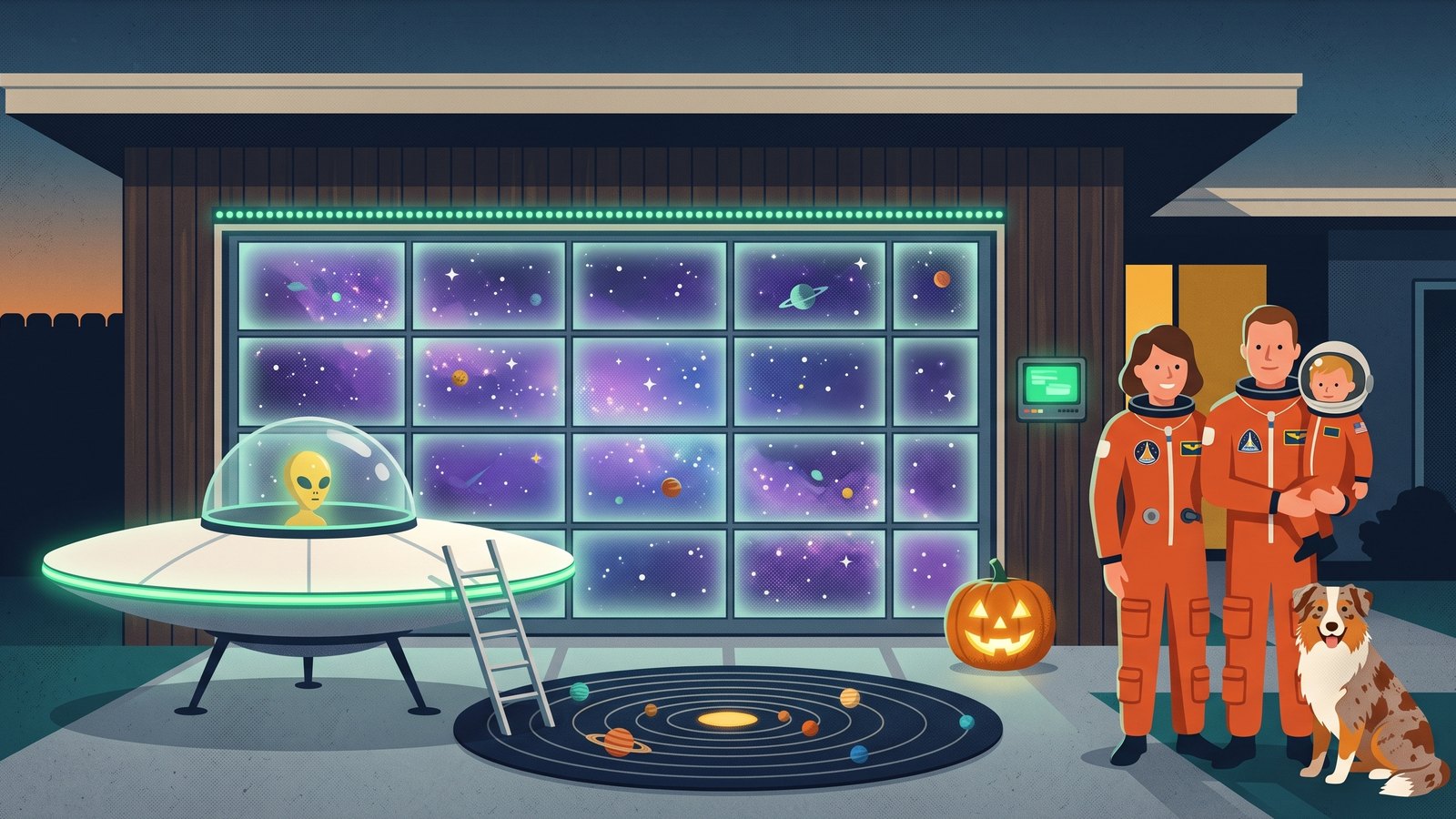
Twenty panes of frosted glass, five across and four high. One evening, with the lights on behind them, somebody noticed that they looked exactly like the hull of a ship. Not a little like. Exactly.
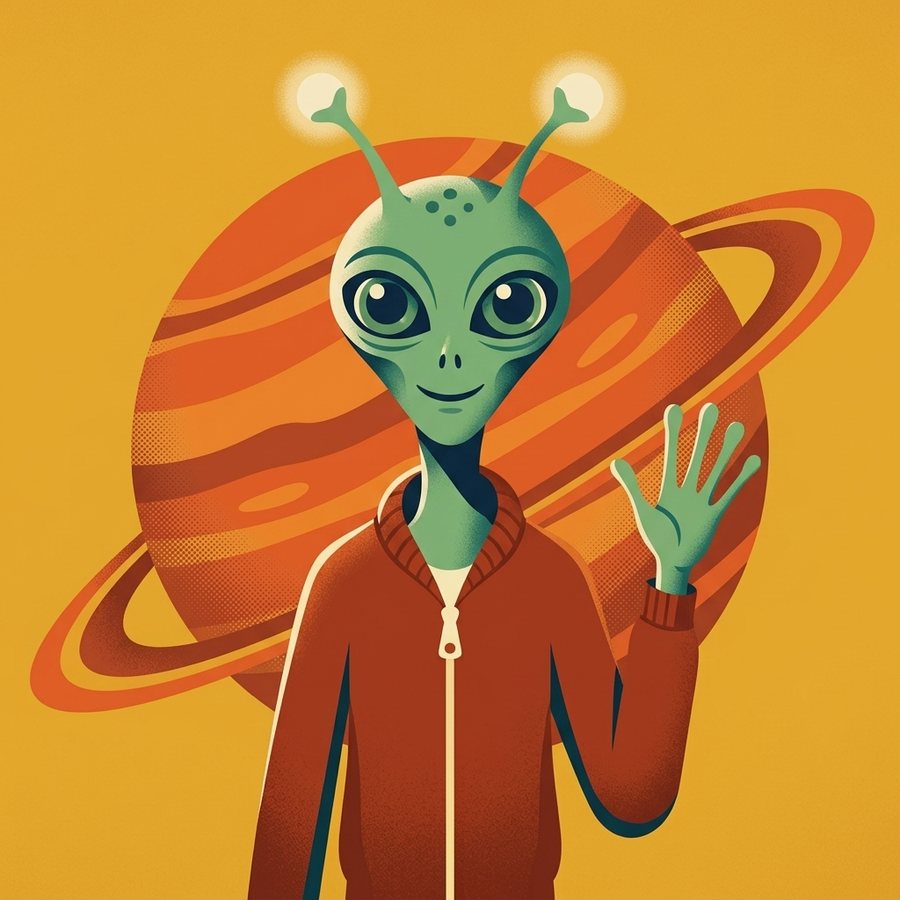
The only reasonable thing was done: a flight plan was filed. The door became HULL/20, after its twenty windows. A banner of fifteen hundred lights went up above it to post the departures. The hull learned to fly. Captain Vrell took the microphone. And one night a very tall traveler with green eyes stepped off a shuttle, looked around, and stayed on as host.
Since then the spaceport has run the way the great airlines did: on schedule, with style, and in the firm belief that the journey is the whole point. Every October it tells its story in four chapters.
How the hull learned to fly: the making of, and next year's ship in 3D.
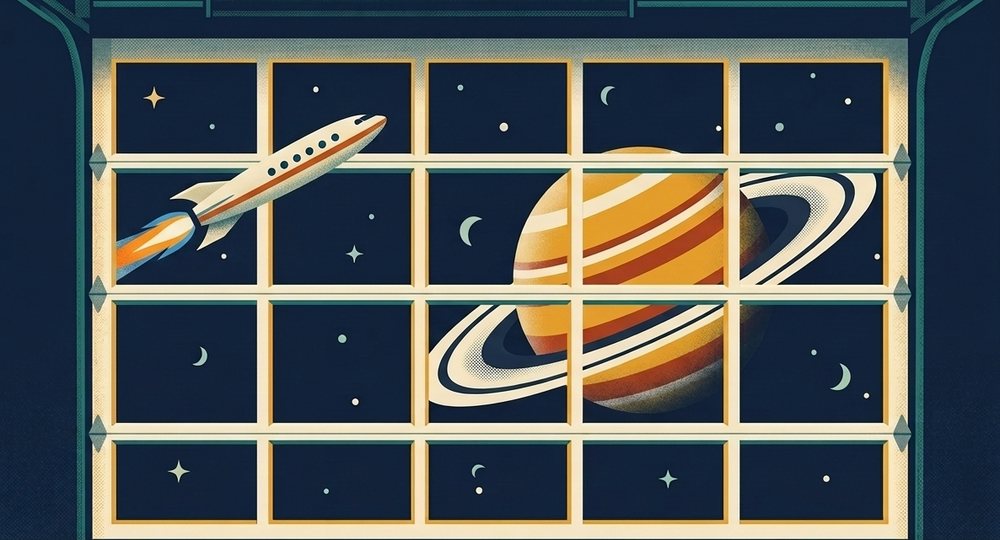

I · 1 to 16 October
Hard hats on. Hazard stripes crawl along the banner, a crane beacon blinks and the welders work late. The port opens this weekend.
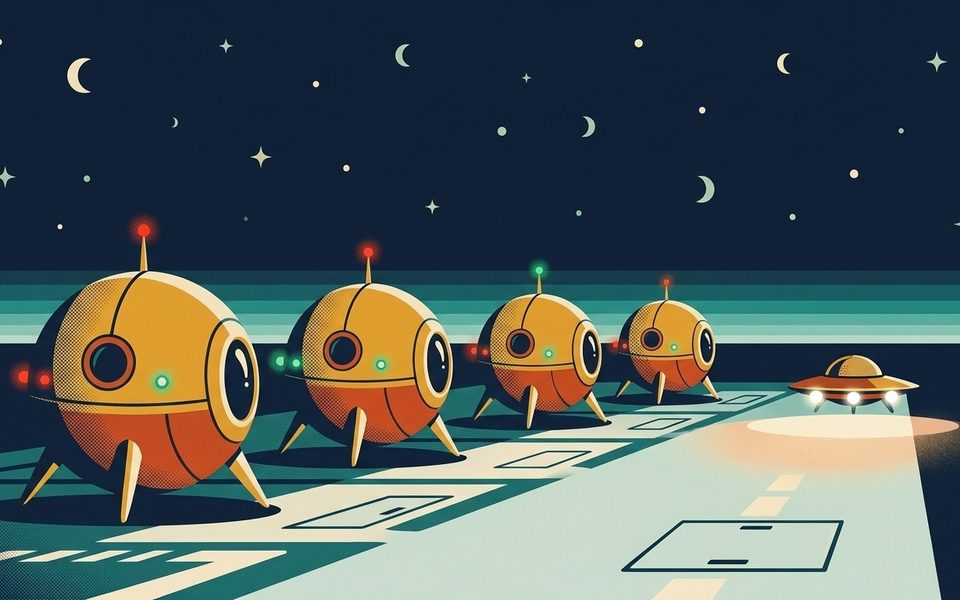
II · 17 to 23 October
The port opens this weekend and small craft begin to dock, one more every night, nav lights blinking in a row. By the twenty-third there are seven ships in port. Count them.
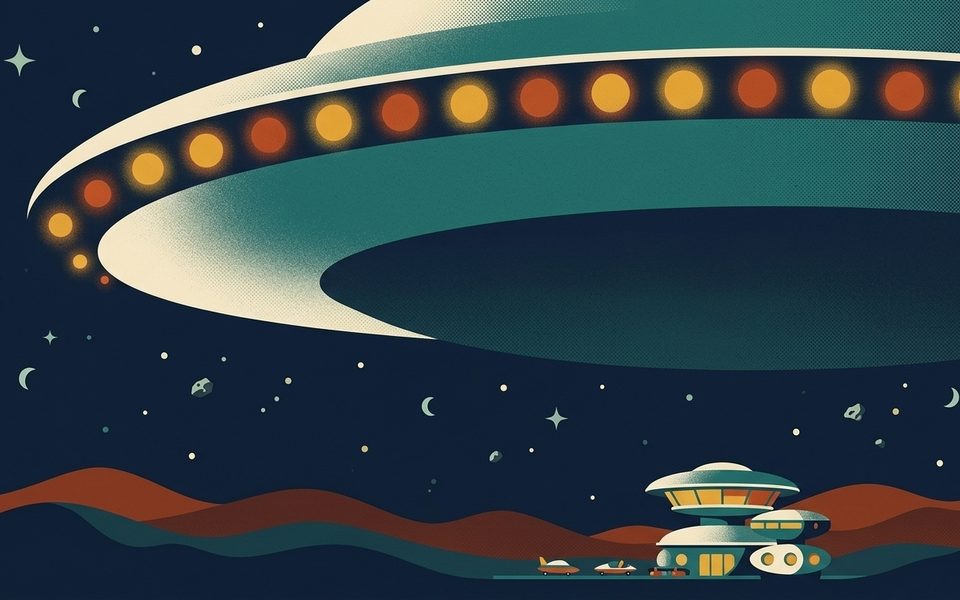
III · 24 to 30 October
Something enormous is on approach. Her shadow reaches a little further across the banner every night, and the countdowns go up. Nobody is entirely calm.
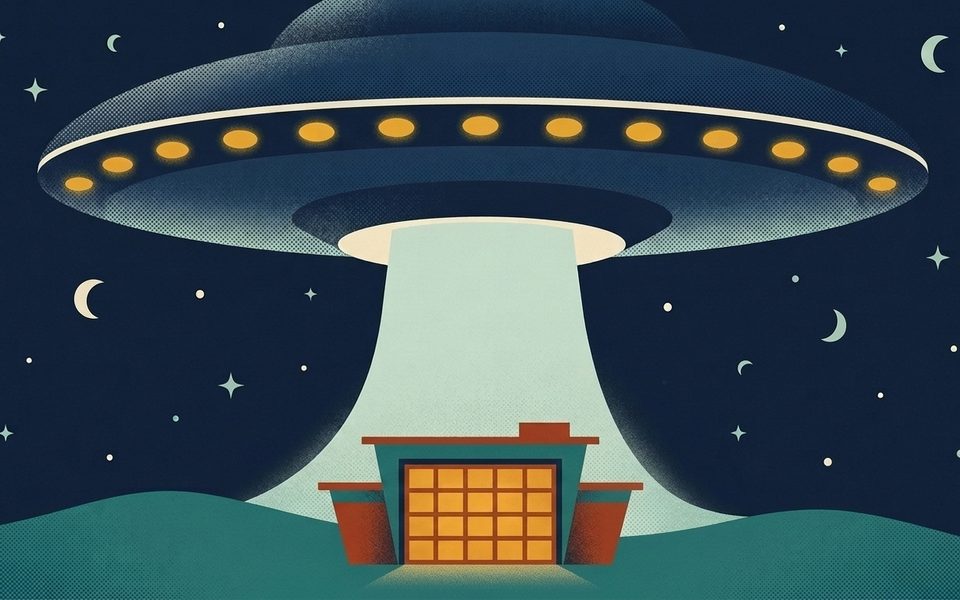
IV · 31 October
She arrives. The whole sky is hers, the hull lights up and Flight SP1031 boards on a space-available basis. (Ten thirty-one. Check the flight number.)
1 November to 6 January: thank you, travelers. The saucer stays aloft and the port flies on through the holidays.
Destinations
Nineteen destinations from one terminal, and not a single layover worth mentioning. Fares are fictional and so, regrettably, is the legroom.
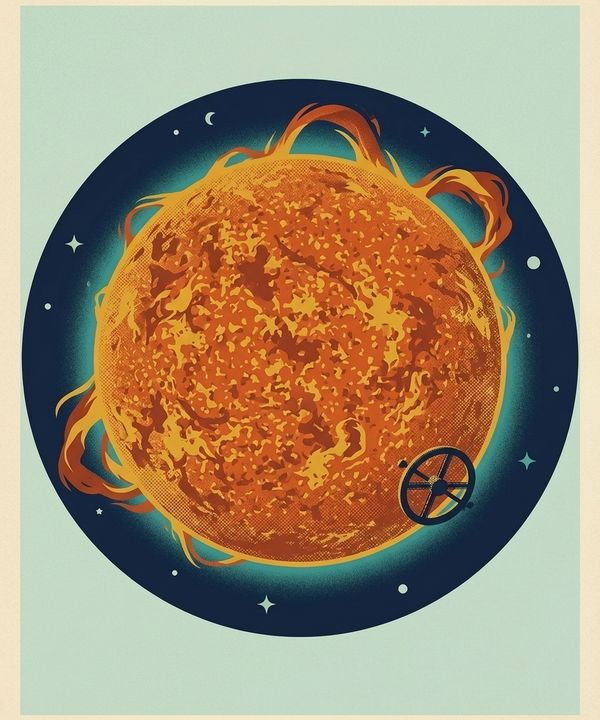
Day trips only. Very, very day. Complimentary sunscreen, factor one million, with every boarding pass.
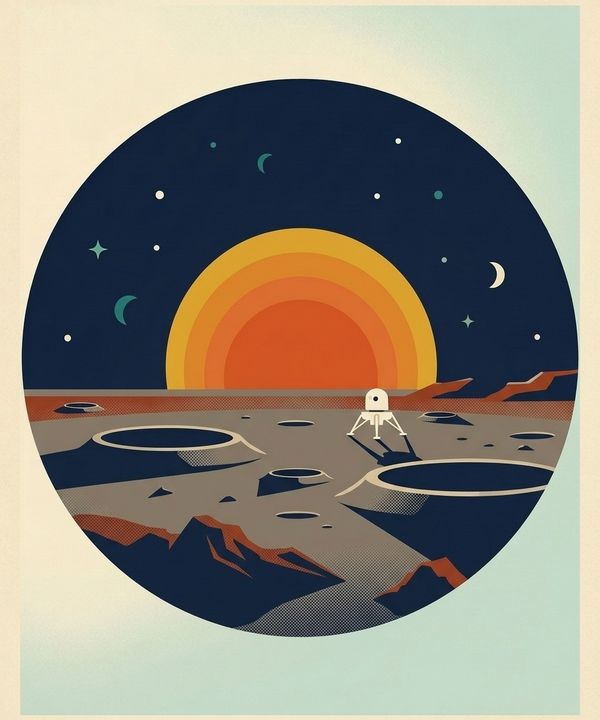
One day here lasts 176 of ours, so breakfast is a long, unhurried affair. Shade is assigned by seniority.
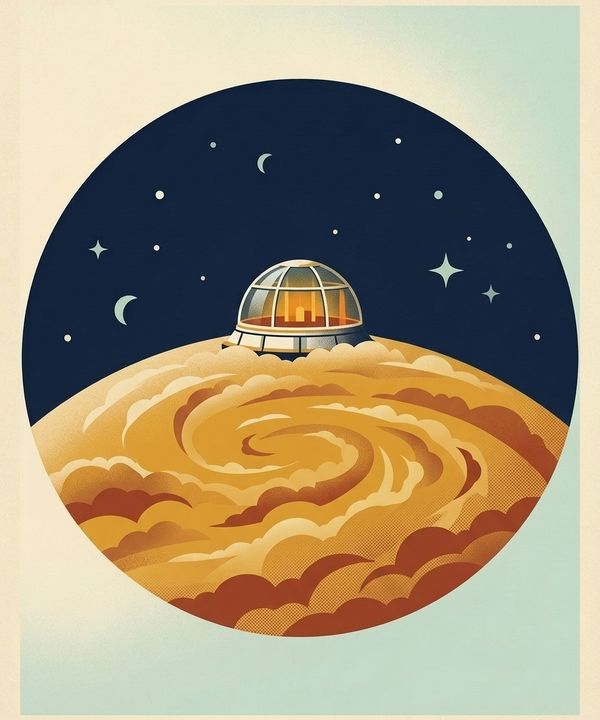
Fifty kilometres up, the air is mild and the pressure is pleasant. Below that, we do not go below that.
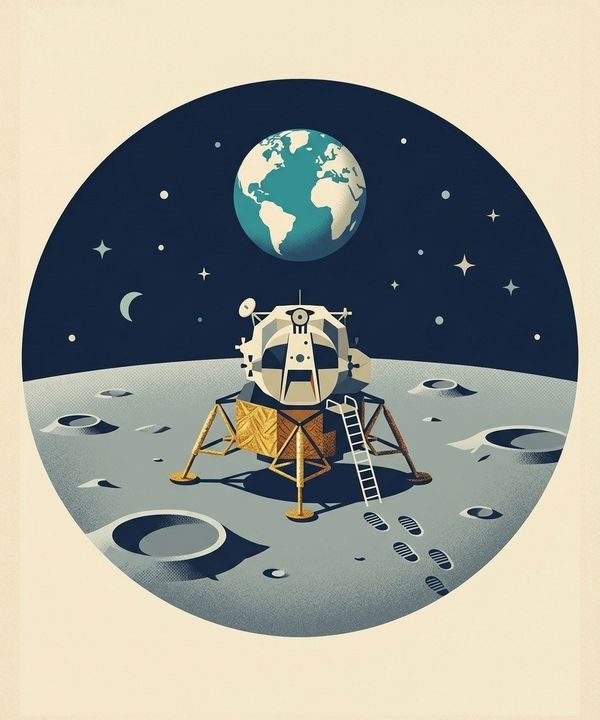
Three days out, a weekend of low gravity and high spirits, and a souvenir flag of your very own to plant.
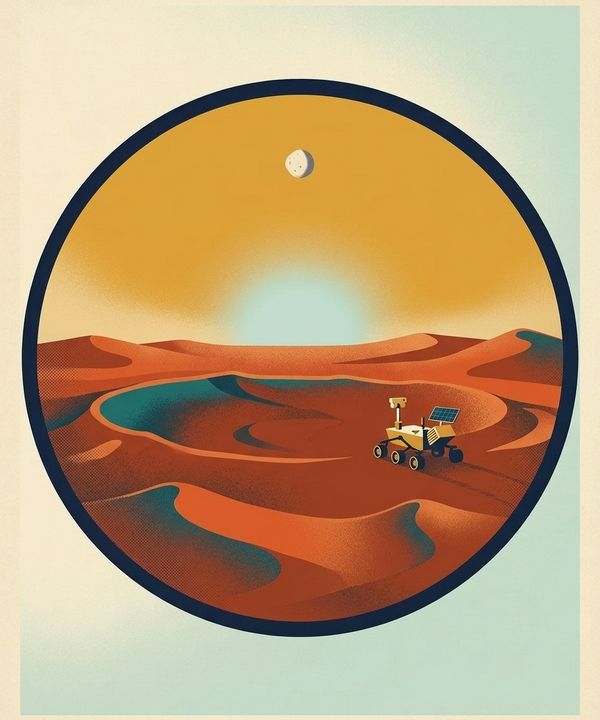
Seven months each way. Bring a book. Bring several. Sunsets on Mars are blue, and every one of them is worth the trip.
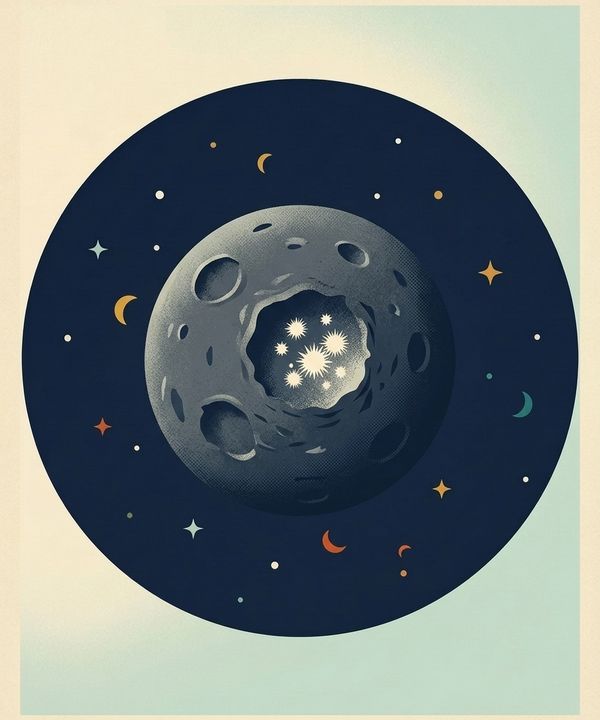
The brightest spots in the asteroid belt are salt, and the locals are very proud of them. Gravity is optional, nearly.
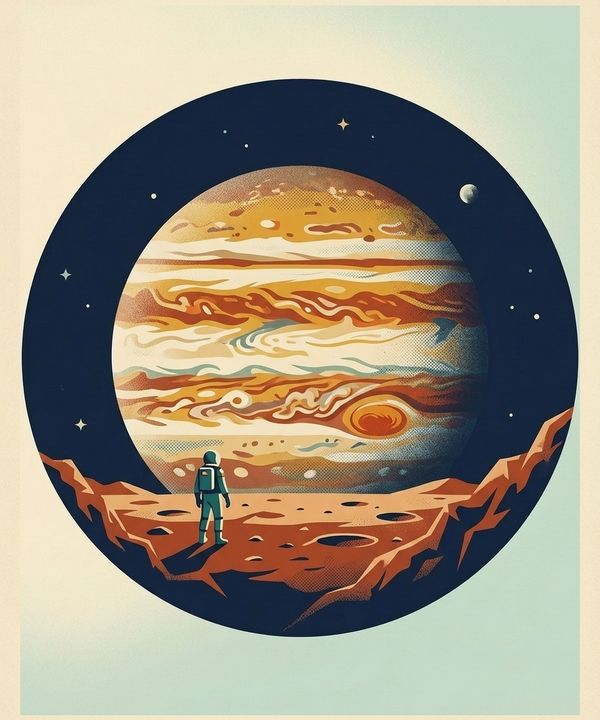
A storm wider than the Earth, turning for centuries. Viewing from the moons only: the Captain does not fly through weather.
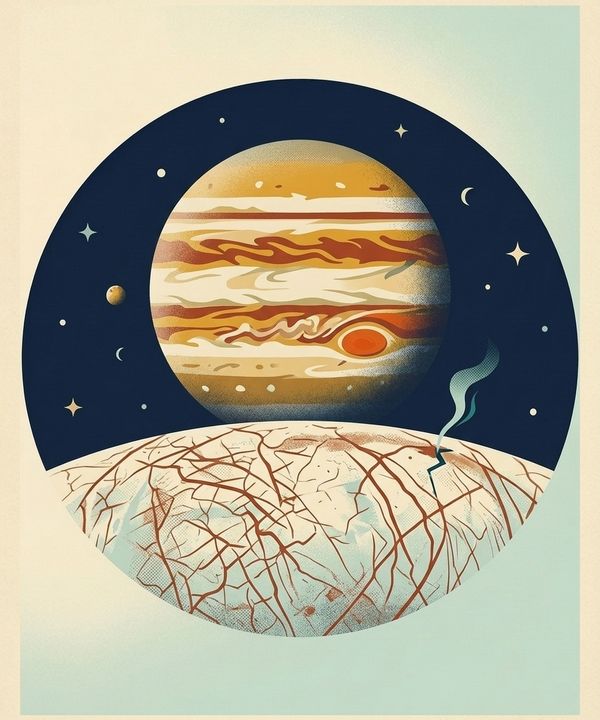
Miles of ice over an ocean nobody has seen. Skates provided. Please don't knock.
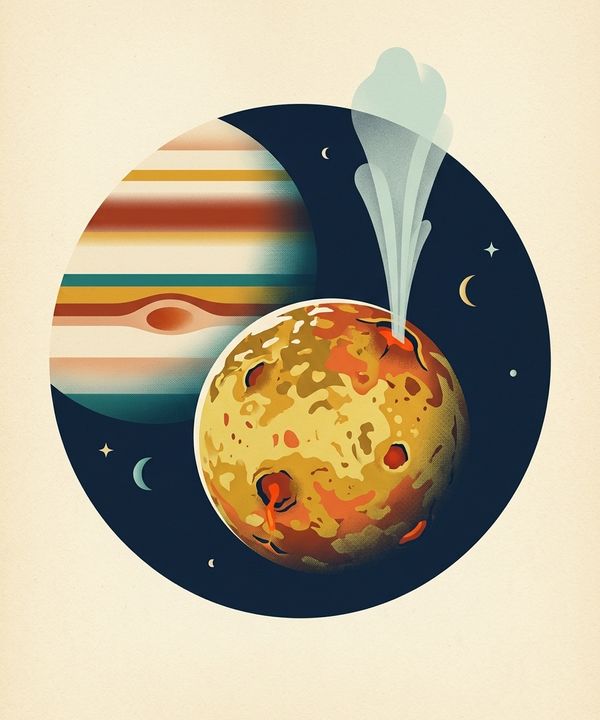
The most volcanic world in the Solar System: some four hundred active volcanoes, and not one smoke alarm.
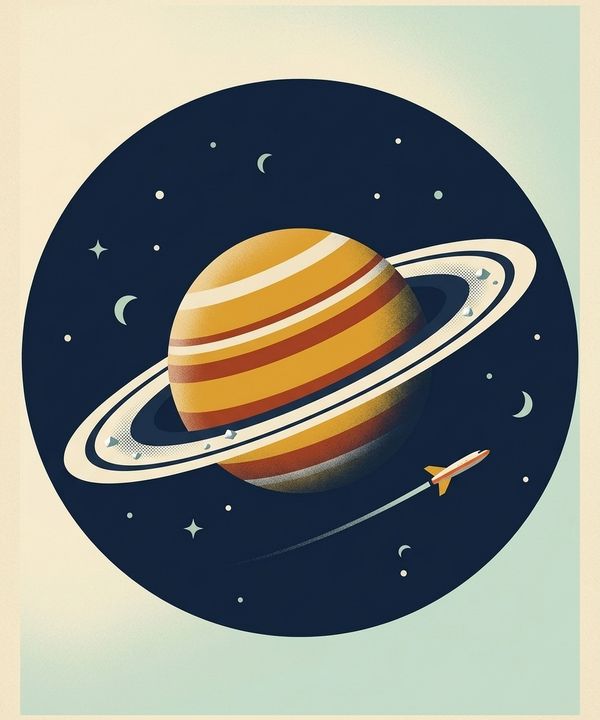
Ringside seating on both sides of the cabin. We checked. Stopover on the ice of Enceladus for the geysers, weather permitting.
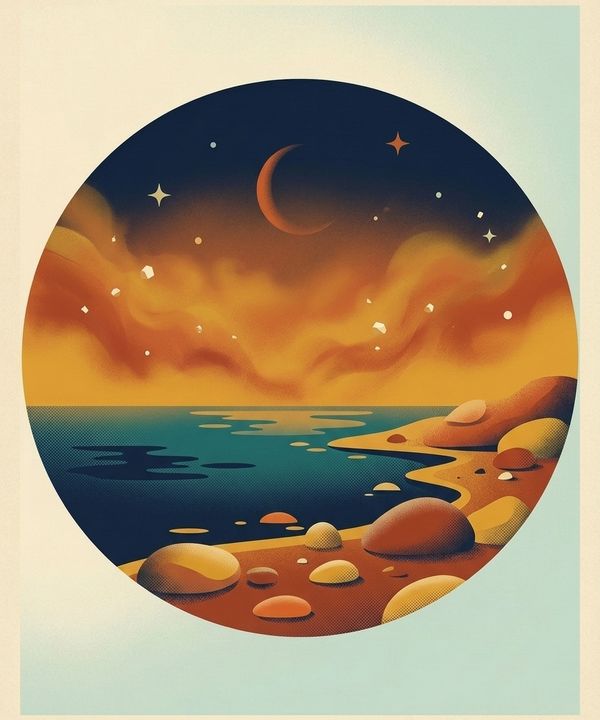
Methane rain, methane seas and a beach of ice pebbles. The air is thick enough to fly by flapping; wings available at the gate.
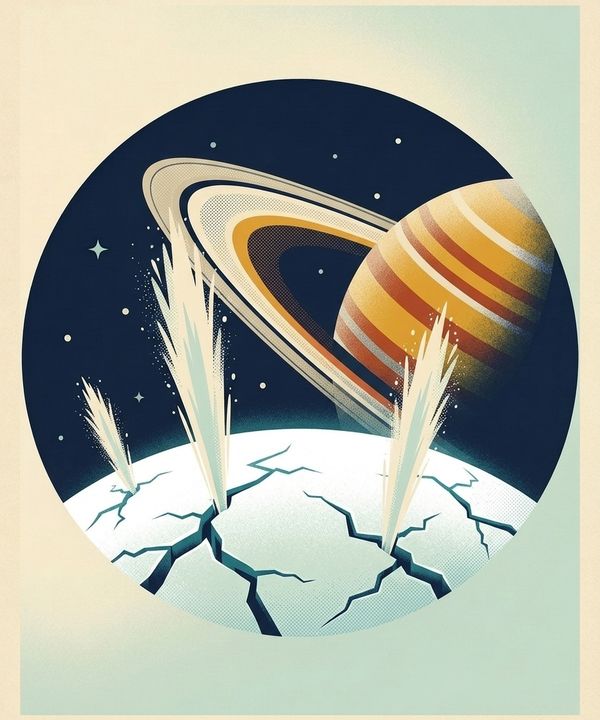
Fountains of ice hundreds of kilometres high over the south pole. Stand well back. Bring a cup.
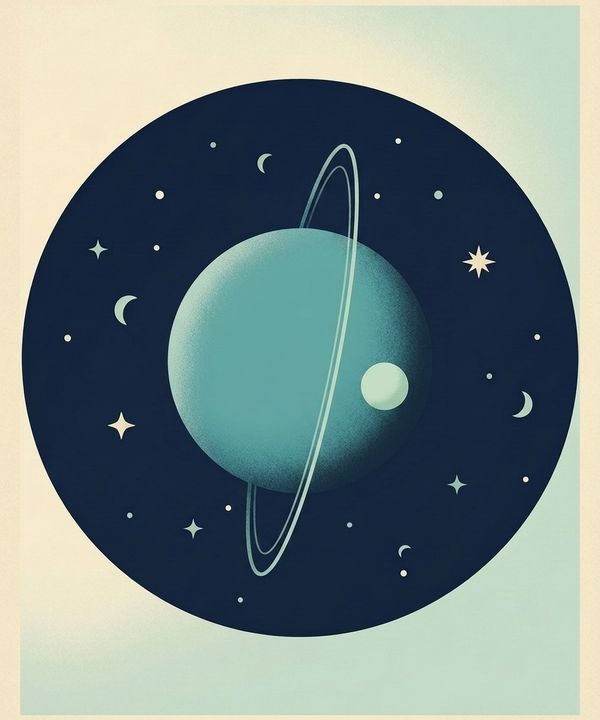
It spins on its side, so each pole gets forty-two years of daylight and then forty-two of night. Pack accordingly.
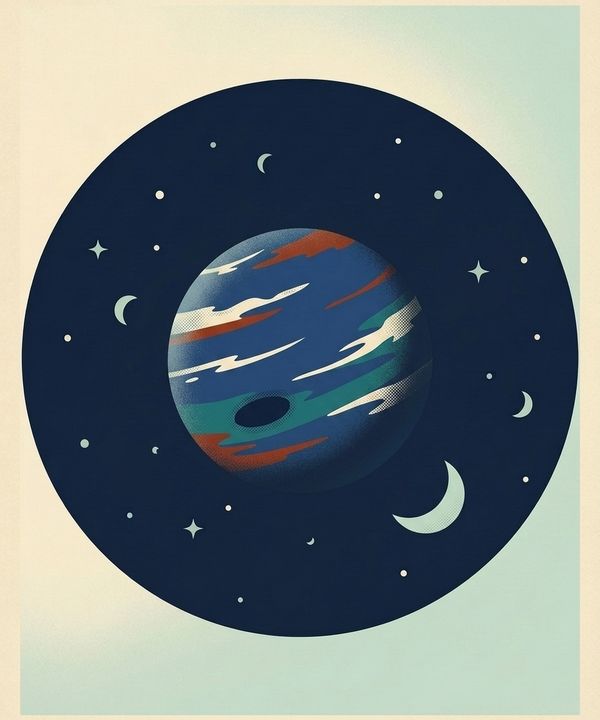
Winds of two thousand kilometres an hour, the fastest in the Solar System. Hats must be checked at the gate.

A heart of ice a thousand miles across, and a moon half its size that never leaves its side.
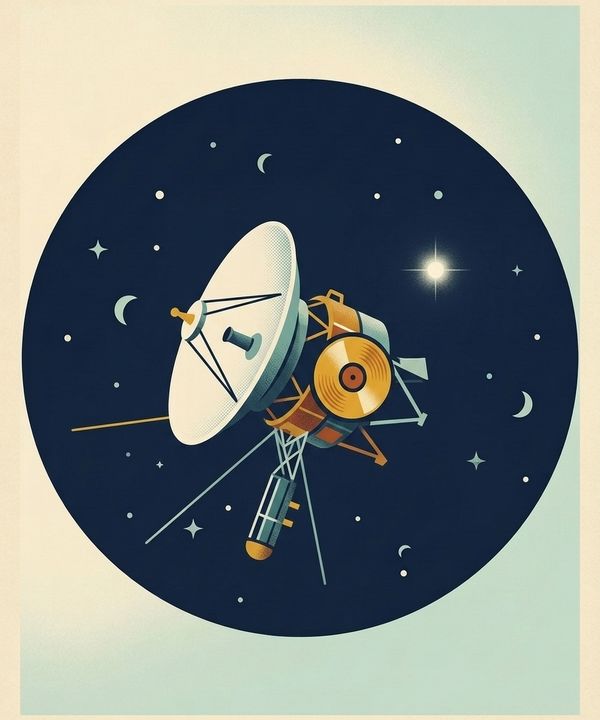
Ride along with the most distant thing people ever made. In-flight entertainment: one golden record, on repeat.
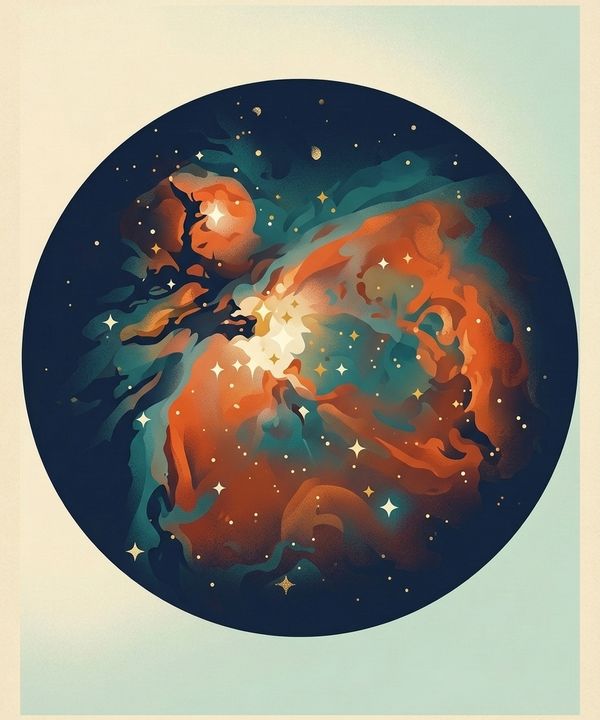
The nursery of the stars, and the longest route on the network. Return date to be announced, most likely by your descendants.
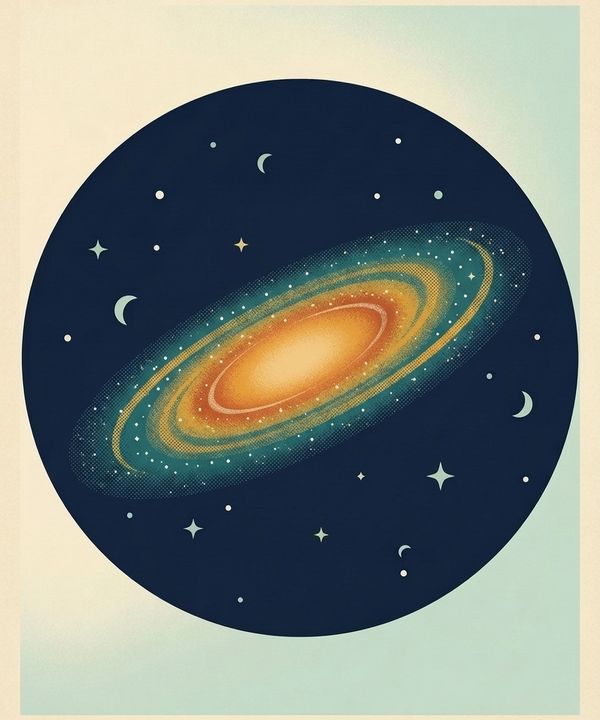
A trillion stars, heading our way at a polite 110 kilometres a second. No need to go: it is coming to us. Meet in about four and a half billion years.
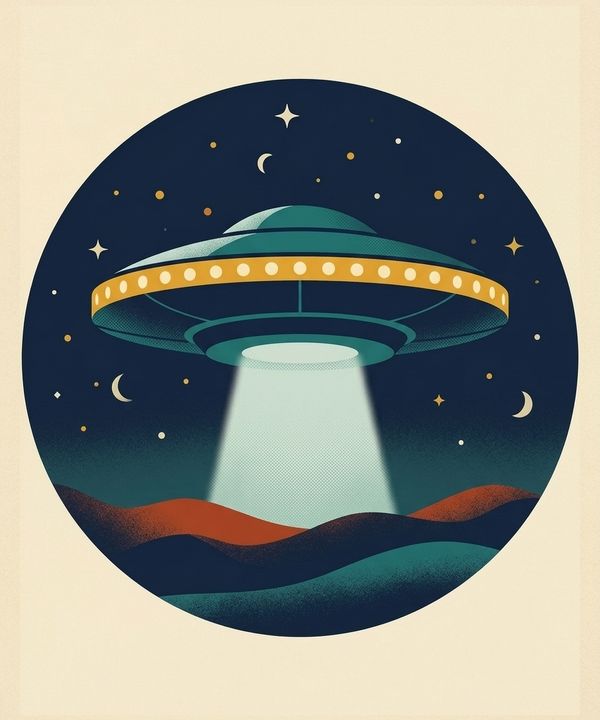
Standby only, Gate 20. Pass by while she is overhead and wave. That is the whole fare, and it is non-refundable.
| Route | Flight | Economy |
|---|---|---|
| Sol | SP0812 | 75 cr |
| Mercury | SP0318 | 90 cr |
| Venus | SP1215 | 110 cr |
| The Moon | SP0720 | 12 cr |
| Mars | SP0218 | 260 cr |
| Ceres | SP0306 | 480 cr |
| Jupiter | SP1207 | 900 cr |
| Europa | SP1014 | 950 cr |
| Io | SP0107 | 920 cr |
| Saturn | SP0701 | 1,400 cr |
| Titan | SP0114 | 1,500 cr |
| Enceladus | SP1028 | 1,450 cr |
| Uranus | SP0124 | 3,200 cr |
| Neptune | SP0825 | 4,600 cr |
| Pluto | SP0714 | 6,000 cr |
| Voyager 1 | SP0905 | 23,000 cr |
| Orion | SP0304 | On appl. |
| Andromeda | SP1006 | On appl. |
| The Mothership | SP1031 | 1 wave |
The experience
The golden age of travel never ended. It just went up. From the lounge to the last course, HULL/20 Spaceways flies the way flying was meant to feel: unhurried, well dressed and very slightly weightless.
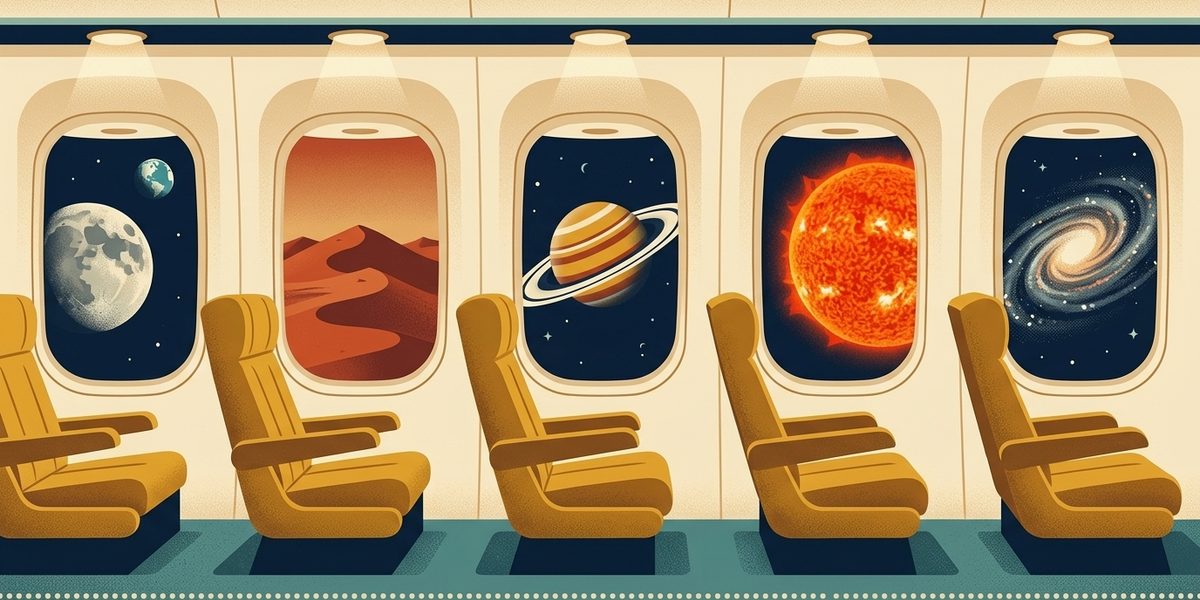
The HULL/20 Clipper is built around twenty windows, so nobody ever draws the aisle. Seats recline to fully horizontal, which in zero gravity is largely a matter of opinion. Seat belts are recommended. Velcro is provided.
Clipper Class · Served in orbit
To begin
The main event
To finish
Crumbs are forbidden by the laws of physics and by the Captain.
Good evening, travelers. This is Captain Vrell on the flight deck. We are cleared for departure. Please return your tray tables to the upright position, and your gravity to the cabin crew.Captain Vrell · Pre-departure announcement
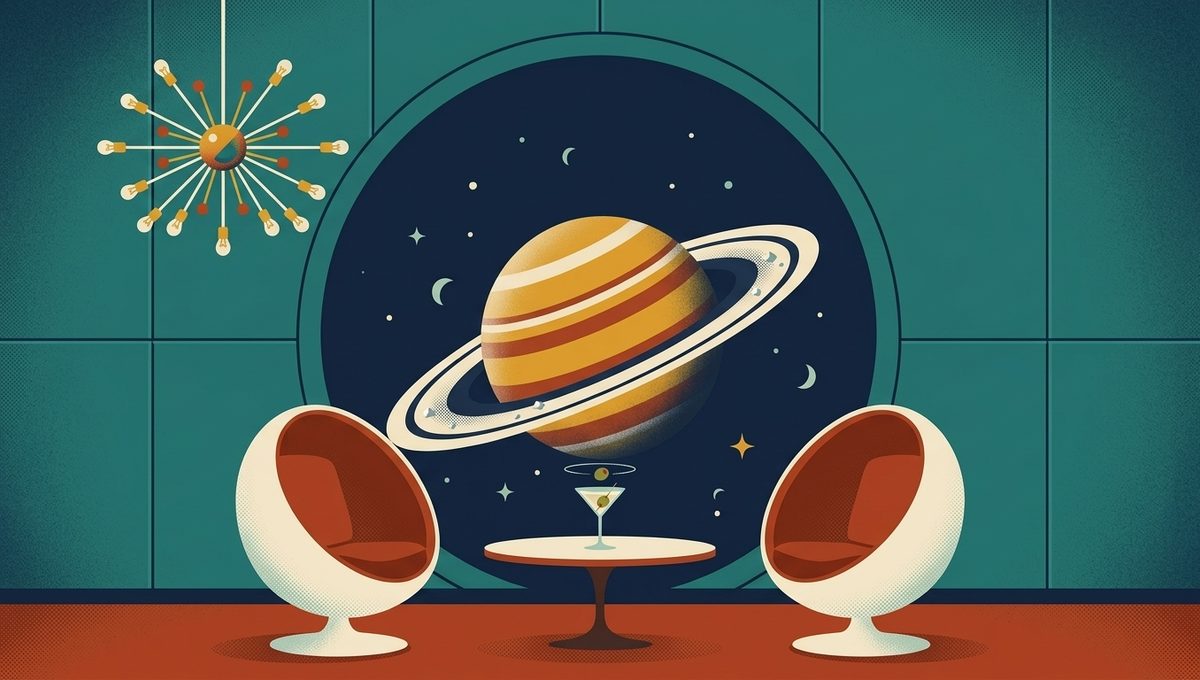
Deep chairs, low light, a porthole the size of a swimming pool and a chandelier modelled on a satellite. Dress is smart casual. Helmets may be checked at the door; the olive in your martini is on a stable orbit and will be back shortly.
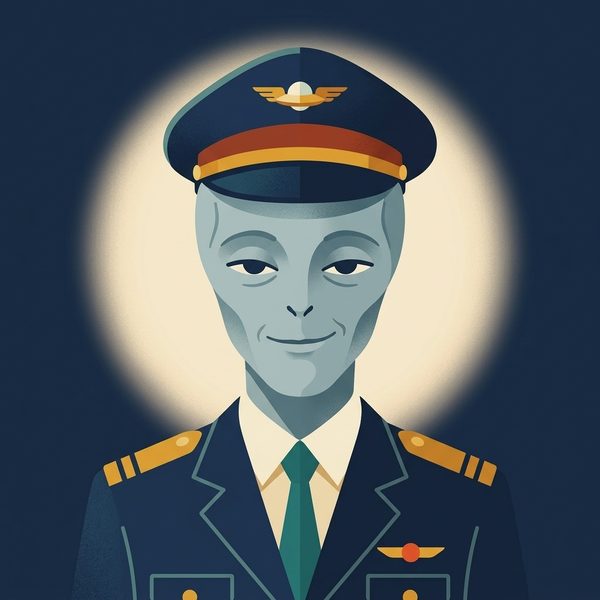
In command
Forty thousand light-hours on the flight deck. Speaks in the unhurried voice of a man who has seen a meteor shower and found it adequate.
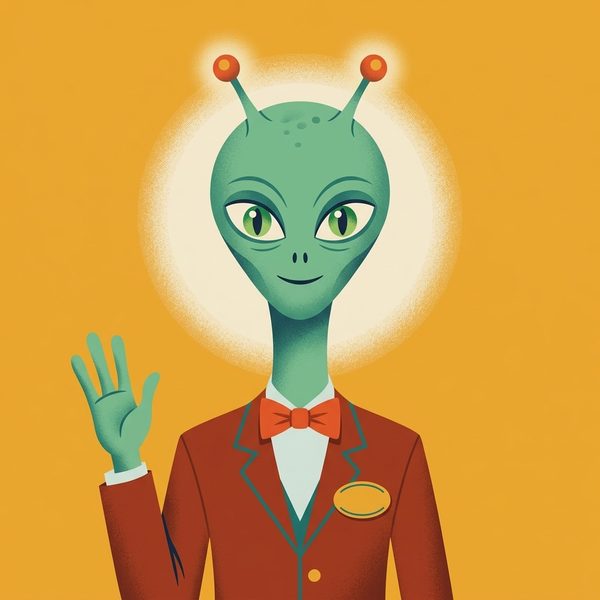
Lounge & gate
Greets every traveler from his post by the gate. Very tall, green-eyed, been here since 1947. Retires at 23:00 sharp and dreams in constellations.

Navigator
Has never once been lost. Has, on occasion, been "between stars". Plots every course by hand, then double-checks it by hand. It has hands.

Service aloft
Trained in zero-gravity beverage service and the gentle retrieval of runaway ice cream. Will not, under any circumstances, open a window.
Timetable
The show runs every night from dusk, whenever you happen to pass. Walk by, take your time, and be home for cocoa.
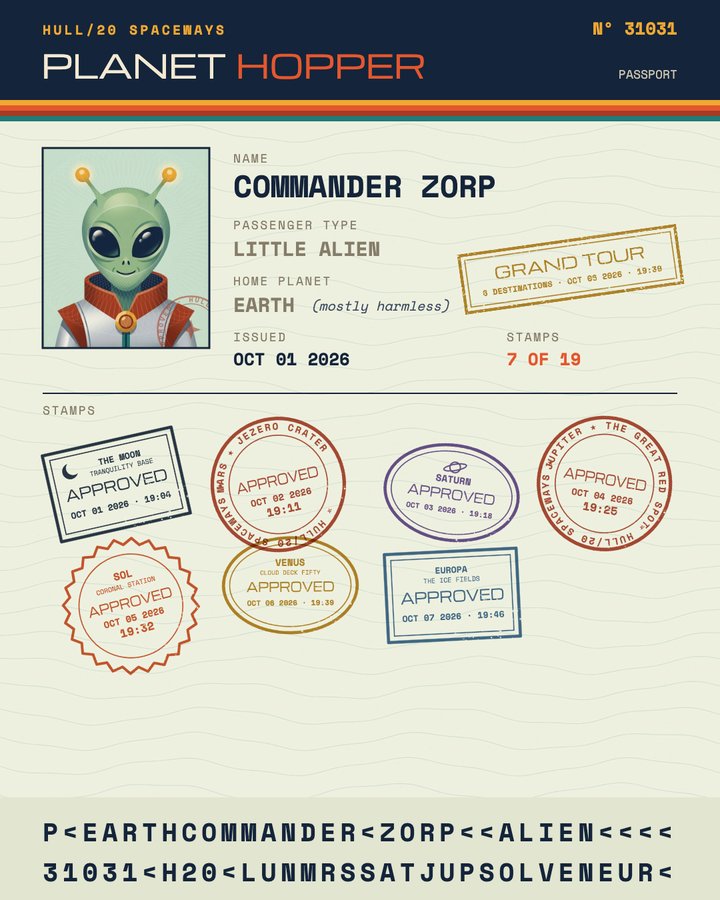
The passport office
Every traveler needs a passport, and ours is called Planet Hopper. Pick a planet, collect its APPROVED stamp with the date and time, and keep going.
Know before you fly
The spaceport sits on a street where people live. A few notes so that everyone, neighbors included, has a lovely flight.
Please do. The show is made to be enjoyed from the public sidewalk, and it reads best from there. If you are driving, please don't stop in the street: park legally and walk over, or slow down and wave.
Somewhere legal and considerate: never across a driveway, never on the sidewalk, never in front of a hydrant. Keep the sidewalk clear for strollers, wheelchairs and other travelers, and keep voices low on the walk back.
No. Announcements are kept at a friendly, neighborly volume, and everything goes quiet at lights down.
Every night at 23:00. The lights go down, and the Host retires to dream in constellations until morning.
Very much so. It's space humor, not horror: no gore, no jump scares, more "whoa" than "boo". Small astronauts are our favorite passengers. Please hold small hands near the street.
Please enjoy it from the sidewalk. The whole terminal is outdoors and on show, and the crew are off duty, so there's no need to knock, ring or come up to the door.
Photos of the show are welcome. Please keep other people, neighbors' homes and cars out of the frame, and please don't tag or post the location. Part of the fun is that it's just out there, somewhere, under the flight path.
The Mothership is overhead from dusk, the last chapter of the season. There is no set time to be here: pass by whenever it suits you, leave room on the sidewalk for others, and take your wrappers home with you.
Nothing at all. Every fare on this site is fictional, payable in imagination. The spaceport is free and always will be.
A neighb.io production
neighb.io: your connection to our interplanetary neighbors. HULL/20 Spaceport is its flagship terminal, and there is always a seat by the window for you.
neighb.ioNow boarding